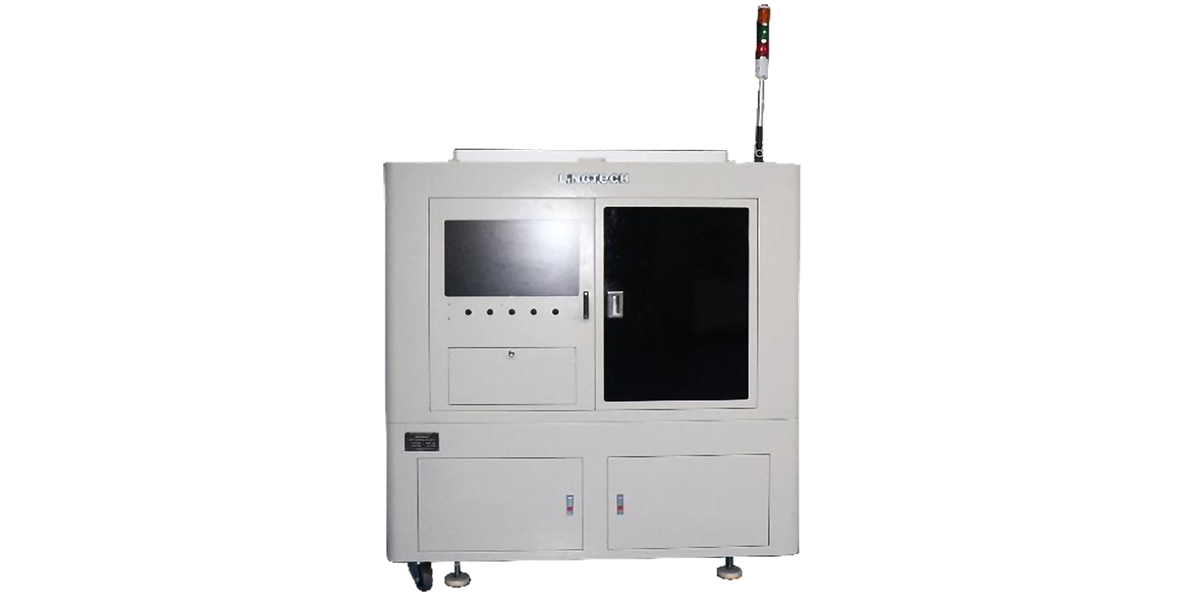
Appearance inspection equipment plays a crucial role in quality control processes by detecting various defects on appearance parts, ensuring that only flawless products reach the market. This innovative equipment is designed to identify defects such as missing or overflow materials, dimensional irregularities, and black spots, among others. Here’s how it works:
1. Detection of Defects: Appearance inspection equipment utilizes advanced imaging technology, including cameras, sensors, and machine vision systems, to meticulously examine each part for defects. High-resolution cameras capture detailed images of the parts from multiple angles, allowing the system to detect imperfections with precision.
2. Missing and Overflow Material Detection: The equipment is programmed to detect missing materials or excess material overflow on appearance parts. By comparing the captured images to predefined standards, the system can identify deviations in material thickness, shape, or placement, flagging any abnormalities for further inspection or corrective action.
3. Dimensional Inspection: Appearance inspection equipment also performs dimensional inspection to ensure that parts meet specified size and shape requirements. Using precise measurement algorithms, the system analyzes the dimensions of each part and compares them against predetermined tolerances. Any deviations outside the acceptable range are promptly identified and reported.
4. Black Spot Detection: One common defect that appearance inspection equipment detects is the presence of black spots or blemishes on parts. These spots can detract from the aesthetic appeal of the product and may indicate underlying quality issues. The equipment utilizes advanced image processing algorithms to identify and highlight black spots for further evaluation.
5. Automated Inspection Process: The inspection process is fully automated, minimizing the need for manual intervention and reducing the risk of human error. Parts are fed into the inspection system via a conveyor belt or automated handling system, allowing for high-speed and consistent inspection throughput.
6. Real-time Feedback and Reporting: Upon completion of the inspection process, the equipment provides real-time feedback on the quality of each part, indicating whether it meets the specified criteria or requires further attention. Detailed inspection reports are generated, documenting any defects found and providing valuable data for process improvement initiatives.
Benefits of Appearance Inspection Equipment:
- Ensures product quality and consistency
- Reduces the risk of defective parts reaching customers
- Improves production efficiency and throughput
- Minimizes manual inspection efforts and associated labor costs
- Enhances brand reputation and customer satisfaction
In summary, appearance inspection equipment plays a critical role in ensuring the quality and integrity of appearance parts by detecting defects such as missing materials, dimensional irregularities, and black spots. By leveraging advanced imaging technology and automated inspection processes, manufacturers can uphold rigorous quality standards and deliver superior products to market.